What I do

Clinical Neuro · Neurotechnology · Neuroscience

I work on making neuro work.

Serving as Head of Neuroscience Clinical Trials and Partnerships at Radial, the largest brain medicine clinical network in the United States.

My experience has been hands on and direct, which matters a great deal for closing gaps: early clinical work, basic research, device testing and characterization, tooling, documentation, training teams on protocols, diligence in venture capital, journalism, and advising organizations.

My core strength is structural synthesis. I have produced field-level analyses and diligence frameworks. I publish many reference materials that transfer information rather than hype. I am especially interested in capital-accountability coupling: what makes neuro initiatives investable, auditable, and resilient.

My flagship work, Field Potentials, is a systems account of clinical neuro: the seats people hold, the gates an intervention must pass, and the twenty-two mechanisms that decide whether good work reaches patients. It is free.

Get Field Potentials, free Resources
Flagship work
Free · CC BY-NC-ND 4.0

Field Potentials

A Systems Account of Clinical Neuro

Clinical neuro keeps its promises more often when the people in it can see past their own seat. Most of the field’s failures happen at the seams, where a researcher, a regulator, a payer, a clinician, and a builder each hold one piece and no one is paid to watch the joins.

Field Potentials maps those seams. It is written for anyone who works in clinical neuro, drugs and devices alike, or lives with what it produces, and it assumes little beyond curiosity.

  • 12seats, from trainee and discovery researcher to payer and person with lived experience, with who pays for each
  • 15words that mean different things in different seats, set side by side in the Neurosetta Stone
  • 7gates an intervention passes to reach a patient and stay in use
  • 22field diagnostic mechanisms, each with a key question to ask aloud and a first move from your seat

Field Potentials supersedes MECHANISMS, my earlier account of medical neurotechnology.

About

Building at the
intersection of fields

I earned a PhD in neuroscience from the University of Michigan. My discovery research focused on brain rhythms and neural circuits. Today I work across clinical trials, product, writing, and strategy in neurotechnology.

My work turns hard-won knowledge into tools and resources others can use.

A few notes on how I got here: as a child, I wrote a 45-page typed documentary on human behavior just because I was curious. My dream was to be a scientist and write books about my inventions. I also lived and trained at the Ann Arbor Zen Buddhist Temple for 22 months during graduate school. You cannot meditate your way through the FDA, but you can learn to observe lines of thought.
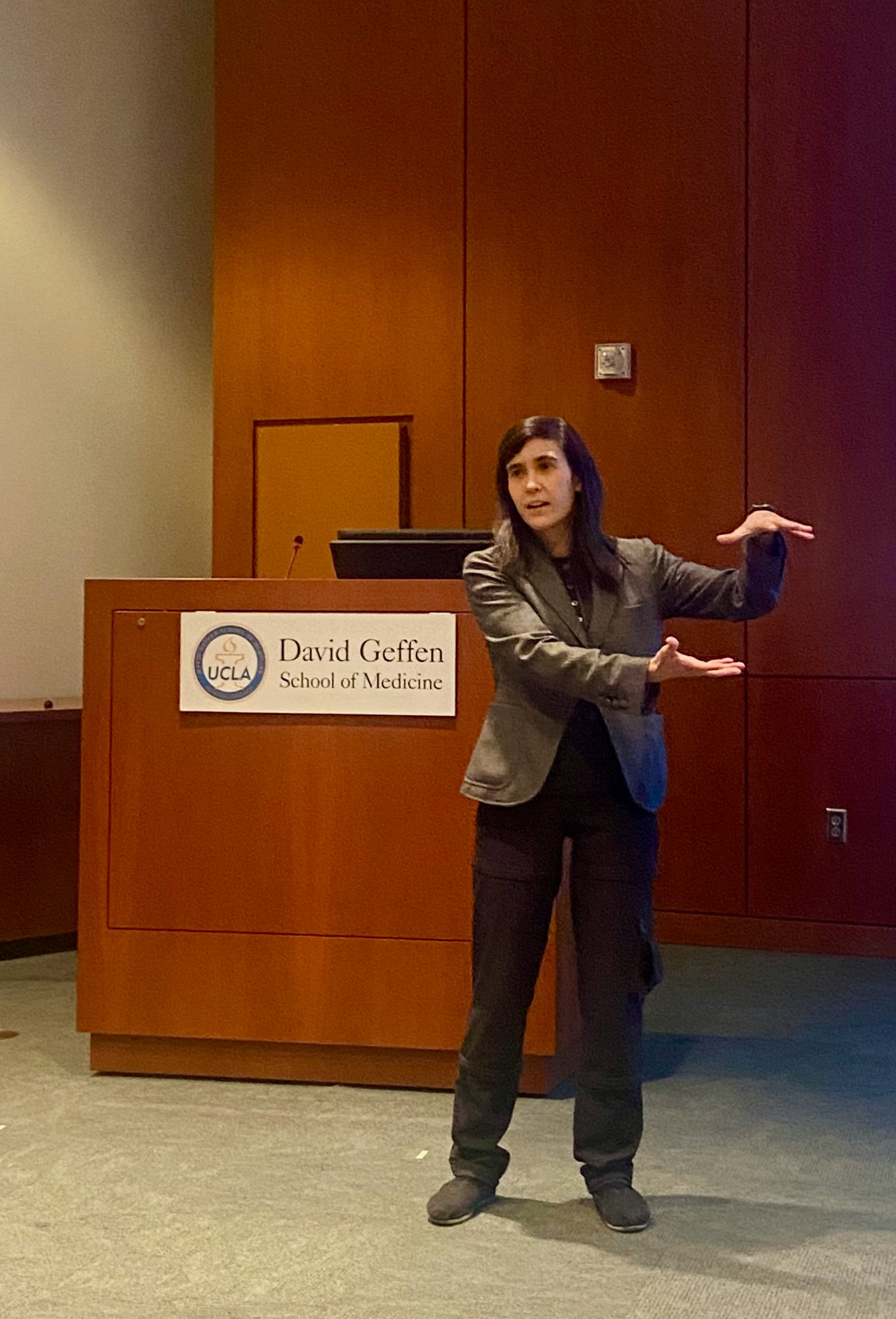
Sharena Rice speaking at UCLA David Geffen School of Medicine
Speaking at UCLA David Geffen
School of Medicine
22
Field diagnostic mechanisms in Field Potentials
40+
Published resources in neuro
15K+
LinkedIn followers
Resources

Reference
infrastructure

These resources are free to use and share, with no login and no email needed.

Standards and governance reference
Neurotechnology Standards & Governance
A Curated Reference for Innovators
A map of the standards bodies, regulators, and ethics initiatives that shape how neurotechnology products are developed and approved worldwide. Used by product teams, researchers, and program managers who need to find the right frameworks early.
Reimbursement reference
Navigating the Neurotechnology Reimbursement Maze
From Clearance to Coverage
Article on how neurotechnology products move from FDA clearance to insurance coverage to patient access. Designed for developers and teams who need to understand the reimbursement landscape before it becomes a late-stage surprise.
Patient-centered neurotech
A Curated Reference for Innovators
The patient engagement infrastructure in neurotech is different from what many people realize.
Designed for innovators and teams who need to know what exists as they develop patient-centered neurotechnologies.
Career reference · Article
My Journey + Resources for Yours in Neurotech
The article I send when people ask about my career
A walk through how I came into neuroscience research and progressed into work across domains in neurotech. Contains resources I recommend for people building their own path into medical neurotechnology. Sent most often to people who want to move into the field as a professional.
Choose your own adventure

Interactive games for students

These games are free to use and share, with no login and no email needed.

For undergraduates interested in neuro
Thresholds
A Navigation Game
Step through the choices that shape an early career in the field, from networking to research direction to what to pursue after graduation. Built to make the structure of the path visible before students commit to it.
For graduate students interested in neuro
Potentials
A Navigation Game
Surfaces the structural tradeoffs that shape a graduate career and helps students see how decisions change authority, agency, and optionality.
Connect

Follow for neurotech. Stay for systems, incentives, and what actually scales.

I am heads-down building and selective about meetings. If you reach out, please include a concrete ask.